


|

|
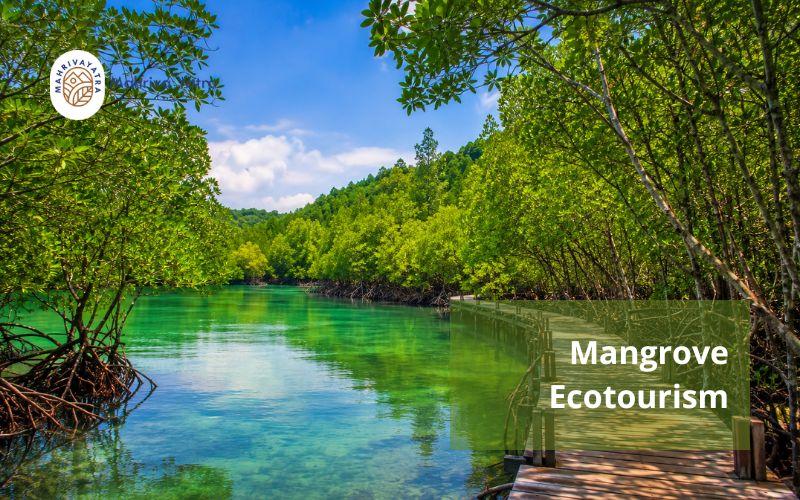
Mangrove ecotourism has become one of the fastest-growing forms of nature-based tourism worldwide. As travelers increasingly seek meaningful experiences that connect them with nature, mangrove forests offer a unique combination of biodiversity, environmental education, adventure, and community engagement.
Unlike conventional tourism, mangrove ecotourism emphasizes environmental conservation, responsible travel, and support for local communities. Visitors can explore intricate mangrove waterways by kayak, walk along elevated boardwalks, observe diverse wildlife, and learn about one of Earth's most productive coastal ecosystems.
Beyond their tourism value, mangrove forests provide essential ecosystem services that protect coastlines, store vast amounts of carbon, sustain fisheries, and preserve biodiversity. Well-managed ecotourism initiatives can generate sustainable income while encouraging long-term conservation efforts.
This guide explores what mangrove ecotourism is, why mangrove ecosystems are so valuable, their environmental and economic benefits, global destinations worth visiting, and best practices for sustainable management.
Mangrove ecotourism refers to environmentally responsible tourism activities conducted within mangrove ecosystems while promoting conservation, environmental education, and benefits for local communities.
Rather than exploiting natural resources, mangrove ecotourism seeks to balance visitor experiences with ecosystem protection. Successful ecotourism programs often involve residents in guiding tours, operating small businesses, conducting conservation activities, and educating visitors about coastal ecosystems.
Common activities include:
The primary objective is to ensure tourism contributes positively to both nature and local livelihoods.
Mangrove forests occupy tropical and subtropical coastlines across more than 120 countries. Although they cover less than one percent of the world's tropical forests, their ecological importance is enormous.
Mangrove roots form dense barriers that reduce wave energy before it reaches the shoreline. During storms, cyclones, and hurricanes, healthy mangrove forests help minimize coastal erosion and flooding.
Communities living near mangrove forests often experience reduced damage from storm surges compared to areas where mangroves have been removed.
Mangroves are among the world's most effective natural carbon sinks.
Unlike many terrestrial forests, mangroves store carbon both above ground and deep within waterlogged soils. This "blue carbon" can remain stored for hundreds or even thousands of years when ecosystems remain healthy.
Because of this remarkable ability, mangrove restoration has become an important strategy in global climate change mitigation.
Mangrove ecosystems provide habitat for thousands of species, including:
Many commercially valuable fish species depend on mangrove forests as nursery grounds during their early life stages.
Millions of coastal residents depend directly or indirectly on mangrove ecosystems for food security and income.
Healthy mangroves support fisheries by providing shelter and feeding grounds for juvenile fish and shellfish before they migrate into coral reefs or open oceans.
When managed responsibly, mangrove ecotourism creates strong incentives for environmental conservation.
Tourism revenue often provides an economic reason to protect mangrove forests rather than converting them into aquaculture ponds or coastal developments.
Protected forests continue delivering ecosystem services while supporting tourism businesses.
Many ecotourism operators allocate part of their revenue toward:
Visitors frequently participate in tree planting programs that increase public awareness about ecosystem restoration.
Experiencing mangrove ecosystems firsthand helps visitors better understand environmental challenges such as:
People are often more motivated to support conservation after witnessing these ecosystems in person.
One of the greatest strengths of mangrove ecotourism is its ability to create sustainable livelihoods.
Instead of relying solely on fishing or resource extraction, communities can diversify their income through tourism-related services.
These opportunities include:
This diversification makes communities more economically resilient while reducing pressure on natural resources.
Community-based ecotourism also encourages residents to become active stewards of their surrounding environment.
Mangrove forests function as living classrooms.
Schools, universities, researchers, conservation organizations, and tourists frequently visit mangrove areas to learn about:
Interpretive centers, guided educational tours, and citizen science activities further enrich visitor experiences.
Education remains one of the most powerful conservation tools because informed visitors are more likely to adopt environmentally responsible behaviors.
Indonesia possesses the largest mangrove area on Earth.
Popular destinations include:
Many sites combine conservation, education, birdwatching, and community tourism.
Thailand's mangrove forests offer kayaking experiences through peaceful waterways surrounded by limestone cliffs and abundant wildlife.
Community-managed tourism initiatives have become successful examples of sustainable coastal development.
The Can Gio Mangrove Biosphere Reserve near Ho Chi Minh City showcases successful mangrove restoration, ecotourism, and biodiversity conservation.
Belize is internationally recognized for integrating mangrove protection with marine conservation.
Visitors enjoy birdwatching, snorkeling, kayaking, and educational eco-tours.
Northern Australia contains extensive mangrove forests supporting saltwater crocodiles, migratory birds, and unique coastal biodiversity.
Guided eco-tours emphasize ecological interpretation and indigenous cultural knowledge.
Mangrove forests along the Yucatán Peninsula provide exceptional opportunities for wildlife photography, kayaking, and observing flamingos, crocodiles, and numerous bird species.
Mangrove ecosystems support remarkable biodiversity.
Depending on the location, visitors may observe:
Wildlife viewing should always be conducted responsibly without disturbing natural behaviors.
Long-term success depends on balancing tourism growth with ecosystem protection.
Effective management typically includes:
Limiting daily visitor numbers helps prevent overcrowding and environmental degradation.
Raised wooden boardwalks minimize trampling of mangrove roots while providing safe access for visitors.
Knowledgeable guides improve visitor experiences while ensuring responsible behavior.
Single-use plastics should be minimized, and proper waste collection systems maintained.
Local communities should play central roles in planning, management, and benefit sharing.
Regular monitoring helps managers assess ecosystem health, visitor impacts, and conservation outcomes.
Despite its many benefits, mangrove ecotourism also faces significant challenges.
Urban expansion, ports, and tourism infrastructure continue replacing mangrove habitats in many countries.
Plastic waste, industrial runoff, and untreated wastewater degrade ecosystem quality.
Sea-level rise, changing rainfall patterns, and stronger storms threaten mangrove resilience.
Poorly managed tourism can damage roots, disturb wildlife, increase litter, and reduce habitat quality.
Without adequate education, visitors may unintentionally harm sensitive ecosystems.
Responsible travelers can make a meaningful difference by following simple practices.
Even small individual actions contribute to healthier ecosystems.
Growing awareness of climate change and biodiversity conservation is increasing global interest in mangrove ecotourism.
Future development will likely emphasize:
As governments, researchers, tourism operators, and local communities work together, mangrove ecotourism has the potential to become a leading example of sustainable tourism that benefits both people and nature.
Mangrove ecotourism demonstrates that tourism and conservation can successfully coexist when guided by sustainable principles. Healthy mangrove ecosystems protect coastlines, store carbon, support marine biodiversity, and provide economic opportunities for millions of people worldwide.
For travelers, visiting a mangrove forest offers far more than scenic landscapes. It provides an opportunity to understand the critical role these ecosystems play in combating climate change, sustaining coastal communities, and preserving biodiversity for future generations.
As demand for responsible travel continues to grow, mangrove ecotourism will remain an essential model of sustainable development, one where environmental protection, community well-being, and unforgettable visitor experiences thrive together.
Mangrove ecotourism is responsible travel within mangrove ecosystems that promotes environmental conservation, education, and community benefits.
Mangroves protect coastlines, store significant amounts of carbon, support fisheries, preserve biodiversity, and improve coastal resilience against storms.
Yes, when managed sustainably. Responsible ecotourism minimizes environmental impacts while generating funding for conservation and local livelihoods.
Popular activities include kayaking, canoeing, birdwatching, wildlife photography, guided nature walks, environmental education, and mangrove planting.
It creates employment opportunities, supports small businesses, diversifies income sources, and encourages community participation in conservation efforts.
Read More:
|
Other News
|
|
Stay Updated with Our Journey
|
|

Member of


|
|


|


