


|

|

In today's competitive and dynamic work environment, two terms that often become key to organizational success are teamwork and team building. Although they may sound similar, each has its meaning, purpose, and application, yet both complement each other. This article will thoroughly explore teamwork and team building, from definitions, benefits, objectives, differences, and examples of activities, to frequently asked questions (FAQs).
Teamwork is the collaboration process among individuals within a team to effectively and efficiently achieve shared goals. Of course, this is different from team building. In teamwork, every team member contributes based on their expertise, shares responsibilities, and supports one another for the group's success.
Characteristics of Effective Teamwork:
Team building is a series of activities designed to improve interpersonal relationships, communication, and synergy among team members. These activities are usually informal and conducted outside of daily work tasks.
Objectives of Team Building:

Teamwork enables organizations to:
Team building helps:
| Teamwork Objectives | Team Building Objectives |
| Complete projects collaboratively | Enhance interpersonal relationships |
| Distribute responsibilities fairly | Identify team strengths and weaknesses |
| Maximize results through collaboration | Improve team morale and cohesion |
| Increase work efficiency | Create a positive work culture |
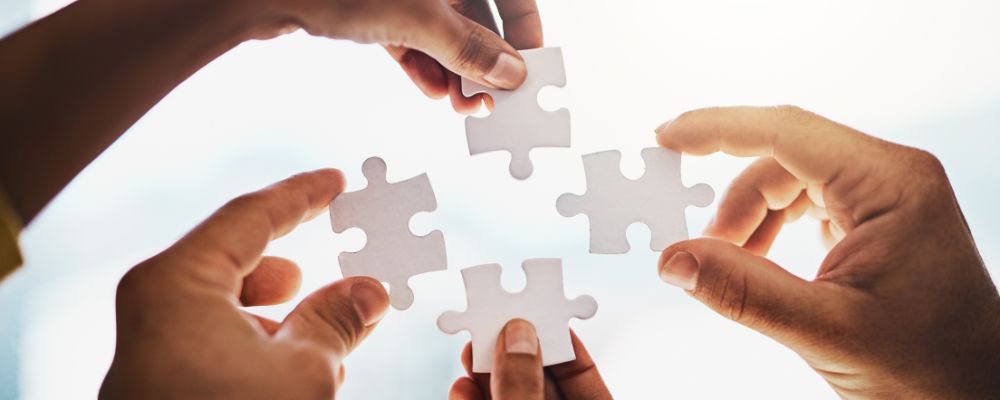
Team building serves as a strong foundation for successful teamwork. Team-building activities help build trust, communication, and morale, which are crucial for effective teamwork. Without proper team building, teamwork often lacks cohesion and mutual understanding among members.
| Aspect | Teamwork | Team Building |
| Definition | Collaboration to complete tasks | Activities to strengthen team relationships |
| Focus | Work outcomes | Interpersonal process |
| Timing | Conducted daily at work | Periodically (e.g., monthly or yearly) |
| Goal | Efficiency and productivity | Communication, motivation, and relationships |
| Nature | Formal and structured | Informal and flexible |
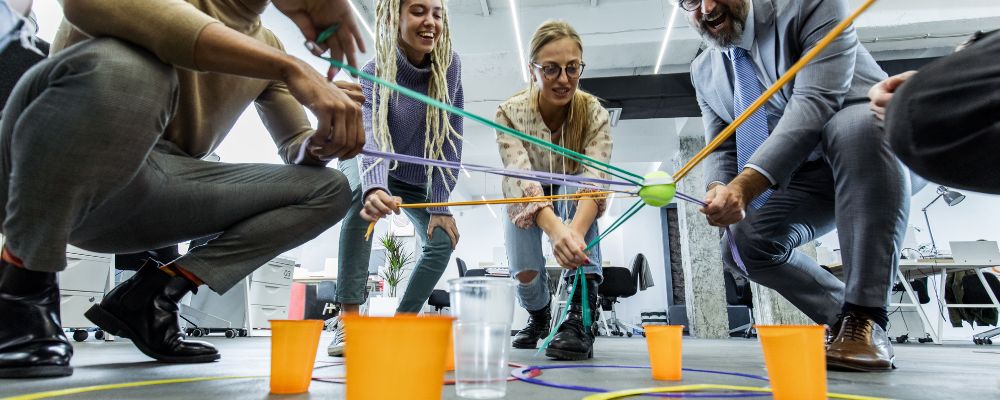
Teamwork and team building are two essential and complementary concepts for developing strong, productive, and harmonious teams. By understanding their differences, goals, and importance, organizations can foster a healthy and collaborative work environment. Investing in team-building activities yields real improvements in teamwork quality and long-term organizational success.
To build a solid and collaborative team, start with a team-building program tailored to your team's specific needs. Contact us for a free consultation and discover the best programs to boost your team's energy and synergy.
|
Stay Updated with Our Journey
|
|

Member of


|
|


|


